What Is the Most Common Problem Treated by a Podiatrist?
When people think about seeing a podiatrist, they often imagine serious foot problems or surgery. In reality, most podiatry visits start with something far more common and far more disruptive to daily life.
So, what is the most common problem treated by a podiatrist?
In clinical practice, heel pain, most often caused by plantar fasciitis, is one of the most frequent reasons people visit a podiatrist. It affects people of all ages and lifestyles and can quietly become debilitating if left untreated.
If you are searching for a podiatrist in perth, understanding this condition and how podiatrists manage it can help you recognise when professional care is needed.
Why Heel Pain Is So Common
Heel pain might seem minor at first. A bit of discomfort in the morning. A sharp twinge after a long day. Many people ignore it, assuming it will go away on its own.
The problem is, heel pain often does not resolve without proper treatment.
Modern lifestyles contribute heavily to this issue:
- Long hours standing or walking
- Poor footwear choices
- Hard flooring at work or home
- Sudden increases in activity
- Reduced foot strength and flexibility
Over time, stress builds up in the tissues of the foot, leading to pain and inflammation.
What Is Plantar Fasciitis?
Plantar fasciitis is the inflammation or irritation of the plantar fascia. This is a thick band of tissue that runs along the bottom of the foot from the heel to the toes.
Its job is to:
- Support the arch of the foot
- Absorb shock when walking
- Help with efficient movement
When the plantar fascia is repeatedly overloaded, small tears and inflammation can develop, leading to heel pain.
Common Symptoms of Plantar Fasciitis
People often describe plantar fasciitis as:
- Sharp or stabbing pain in the heel
- Pain that is worse with the first steps in the morning
- Discomfort after long periods of standing
- Pain that improves with movement but returns later
- Tenderness under the heel
These symptoms may start subtly but often worsen over time.
Why Podiatrists See This Condition So Often
Podiatrists specialise in how the foot functions. Heel pain is rarely just about the heel itself.
A podiatrist looks at:
- Foot structure and arch type
- Walking and running patterns
- Load distribution through the foot
- Muscle tightness and weakness
- Footwear habits
- Daily activity levels
This deeper understanding is why heel pain is one of the most common conditions treated by a podiatrist in perth and worldwide.
Other Very Common Problems Treated by Podiatrists
While plantar fasciitis is extremely common, podiatrists also frequently treat:
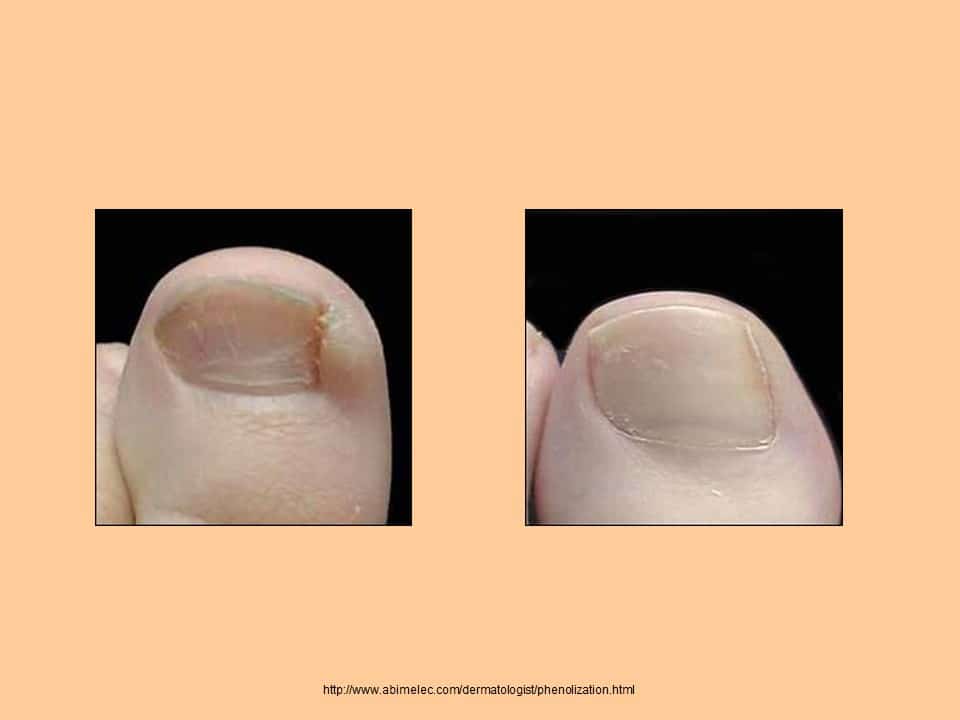
Ingrown toenails
Painful, infected toenails that interfere with walking and footwear.
Bunions
Structural deformities of the big toe joint that worsen over time.
Corns and calluses
Areas of high pressure that cause discomfort and skin breakdown.
Flat feet and high arches
Foot types that affect posture, balance, and movement.
Achilles tendon pain
Tightness and strain at the back of the ankle and heel.
Forefoot pain
Pain under the ball of the foot, often linked to pressure and footwear.
These conditions often overlap. For example, abnormal foot mechanics that cause heel pain may also contribute to bunions or forefoot pain.
Why Heel Pain Should Not Be Ignored
Many people delay treatment because they believe heel pain is “normal” or part of getting older.
Left untreated, plantar fasciitis can:
- Become chronic
- Affect walking patterns
- Lead to knee, hip, or back pain
- Reduce activity levels
- Impact work and quality of life
Early podiatric care often leads to faster and more effective recovery.
How a Podiatrist Treats Heel Pain
Treatment is never one-size-fits-all. A podiatrist will tailor care based on the cause and severity of your symptoms.
Common treatment approaches include:
Footwear Assessment
Poor shoe support is one of the biggest contributors to heel pain.
Custom Orthotics (Semi-Custom, Custom or Off the Shelf)
Orthotics help improve foot alignment and reduce strain on the plantar fascia.
Stretching and Strengthening
Targeted exercises reduce tension and improve foot function.
Load Management
Adjusting activity levels helps the tissue heal without complete rest.
Padding and Support
Temporary offloading can reduce pain during recovery.
In more persistent cases, additional interventions may be required.
How Long Does Heel Pain Take to Resolve?
Recovery time varies.
- Mild cases may improve within weeks
- Moderate cases may take a few months
- Chronic cases require more structured treatment
The key factor is addressing the underlying cause, not just managing pain.
Who Is Most at Risk?
Heel pain can affect anyone, but higher-risk groups include:
- People who stand for long hours
- Runners and active individuals
- People with flat feet or high arches
- Those wearing unsupportive footwear
- People who increase activity suddenly
Seeing a podiatrist in perth early can significantly reduce long-term issues.
When Should You See a Podiatrist?
You should consider podiatric care if:
- Heel pain lasts longer than two weeks
- Pain is worsening, not improving
- Walking becomes uncomfortable
- Pain affects work or daily activities
- Home remedies are not helping
Early intervention is always easier than managing chronic pain.
Are Foot Problems Connected to Overall Health?
Yes. The way your feet function affects your entire body.
Poor foot mechanics can influence:
- Balance
- Posture
- Joint loading
- Muscle strain
- Long-term mobility
This is why podiatry care is about function, not just symptom relief.
Final Thoughts
So, what is the most common problem treated by a podiatrist?
Heel pain, particularly plantar fasciitis, sits at the top of the list. It is common, often underestimated, and highly treatable with the right care.
If foot pain is limiting how you move, work, or live, seeing a podiatrist in perth can make a real difference. Addressing problems early not only reduces pain but helps protect long-term foot health and mobility.
Extra Note from our Podiatrists as the New Season Approaches:
Key Winter Foot Care Tips
- Check your feet every day for cuts, sores, blisters, redness, swelling, or changes in colour.
- Use a mirror to see the bottomof your feet, or ask for help if needed.
- Early detection of problems is crucial to prevent serious complications.
Wear well-fitting, insulated shoes or boots that protect against cold, moisture, and injury.
Ensure footwear is roomy enough to avoid restricting blood flow, but snug enough to prevent rubbing and blisters.
Moisture-wicking socks (preferably wool or synthetic, not cotton) help keep feet warm and dry.
- Change out of wet socks and shoes immediately to prevent fungal and bacterial infections.
Dry your feet thoroughly, especially between the toes, after exposure to moisture.
Use a diabetes-friendly, unscented moisturizer daily to combat dry, cracking skin.
Avoid applying lotion between the toes, as excess moisture there can promote fungal infections.
Never use heating pads, electric blankets, or hot water bottles on your feet—reduced sensation can lead to burns.
Test bath water temperature with your elbow or a thermometer, not your feet.
Gentle indoor exercises help boost circulation and reduce swelling.
Even simple leg movements can make a difference if you’re spending more time indoors.
- Keeping your blood glucose within target range is vital for overall foot health and wound healing
See a podiatrist here at Foot Focus Podiatry so they can trim toenails carefully to avoid ingrown nails or cuts.
Stay hydrated to help prevent skin dryness.
Consult your podiatrist promptly if you notice any foot problems, such as persistent redness, swelling, sores, or pain.
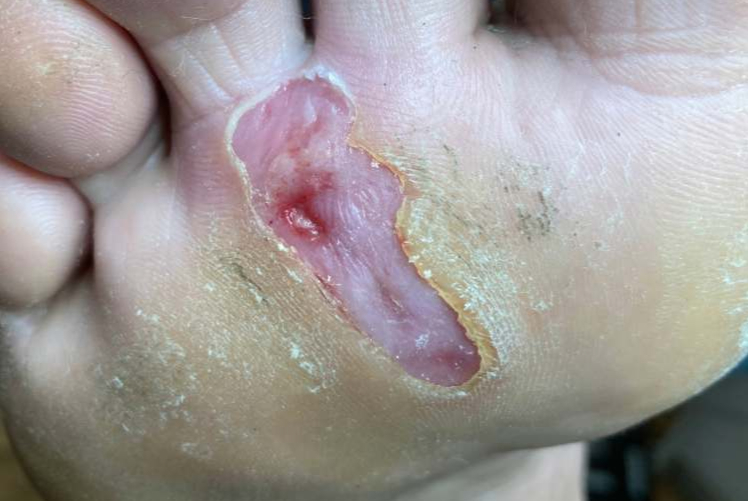
The image above is an example of how a simple blister caused by poorly fitting shoes can become dangerous for people if not cared for properly. Without expert diabetes foot care from your podiatrist, even a small injury may quickly develop into a severe infection or ulcer, threatening long-term foot health.
Winter foot care is a daily commitment for people with diabetes.
By staying vigilant and following these expert-backed tips, you can protect your feet from the unique hazards of the colder months and enjoy a healthier, safer winter season.
For more expertise in regards to your specific case, book an appointment at Foot Focus Podiatry.
Frequently Asked Questions About Podiatry and Foot Problems
- Podiatrists commonly treat heel pain, particularly plantar fasciitis, along with ingrown toenails, bunions, corns, calluses, flat feet, and general foot pain. Heel pain is one of the most frequent reasons people seek podiatry care.
Heel pain should not be ignored. While it may start as mild discomfort, it can become chronic and affect walking, posture, and overall mobility. Early treatment by a podiatrist often leads to faster and better outcomes.
- You should see a podiatrist if foot pain lasts more than two weeks, worsens over time, affects your ability to walk or work, or keeps returning despite rest or home treatment. Persistent pain is a sign that professional assessment is needed.
Yes. Most foot problems are managed without surgery. Podiatrists use conservative treatments such as footwear advice, orthotics, exercises, padding, and activity modification to relieve pain and improve foot function.
Treatment time varies depending on the condition and severity. Some issues improve within weeks, while others may require ongoing management over several months. Your podiatrist will outline a realistic treatment plan after assessment.
Yes. Poor foot mechanics can change the way you walk, which may place extra stress on the knees, hips, and lower back. Treating foot issues often helps reduce pain in other parts of the body.
- In most cases, no referral is needed to see a podiatrist. You can book directly for assessment and treatment.
Yes. Podiatrists treat children, adults, athletes, and older individuals. Foot problems can occur at any stage of life, and treatment is tailored accordingly.
It helps to bring shoes you wear regularly, any previous imaging or reports, and a clear description of your symptoms. This allows the podiatrist to assess footwear, walking patterns, and contributing factors.
The earlier, the better. Addressing foot pain early can prevent long-term problems, reduce recovery time, and improve overall comfort and mobility.