Hard Skin?
What is the Difference Between Callus and Corns?
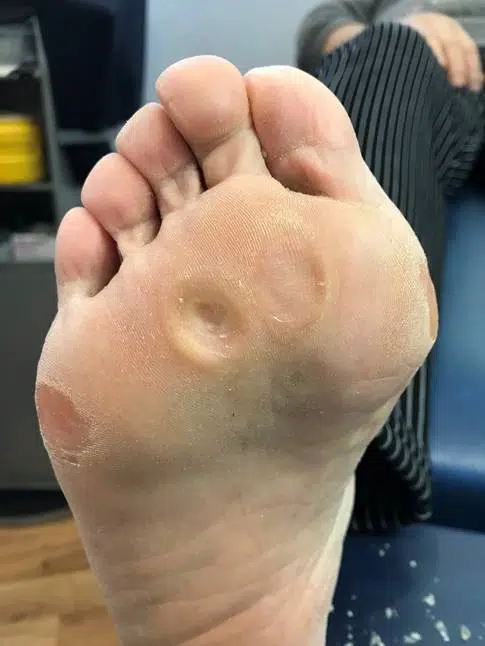
A callus (See Figure 1) generally refers to the thickening of the skin, commonly on the ball of the foot. This can sometimes cause mild discomfort.
A corn (See Figure 2) is a deeper more focal formation of hard skin commonly on the toes. A corn can form under a callused area and is more painful when bearing weight. If pain persists while not bearing weight, it could mean that your corn is infected.
Causes of Callus and Corns
This is usually the result of an underlying foot problem e.g. deformities in the toes or feet, a particular style of walking, thin skin, bony toes or inappropriate footwear.
Uneven pressure on the feet causes the bone to rub against the skin. The body responds by producing thickenings in the surface layer of the skin. People with Bunions are also likely to develop Callus & Corns.
If untreated, Calluses & Corns can become quite painful. Our Podiatrists can help identify the cause and recommend appropriate treatment.
How Will We Treat Corns & Calluses at Foot Focus Podiatry?
Our Podiatrists will:
- remove the hard skin, a painless procedure which gives immediate relief. They will then assess to determine the cause and address the problem to prevent re-occurrence.
- redistribute pressure on the foot with special shoe inserts (orthotics) that fit in the shoe.
- make a custom toe device using a special silicone material that moulds to your toes. A wedge or prop can help alleviate the pressure of corns, the wedge is used between your toes, while the prop fits on the end of your toe to lift your toe off the ground. (See Figure 3)
- give advice on properly fitting shoes. The key is that they fit you correctly and your footwear isn’t too tight which results in pressure or too loose which causes rubbing friction.
It is better not to treat yourself as the key is to determine the cause and prevent it from reoccurring. This is imperative if you have high risk feet such as diabetes or poor circulation.
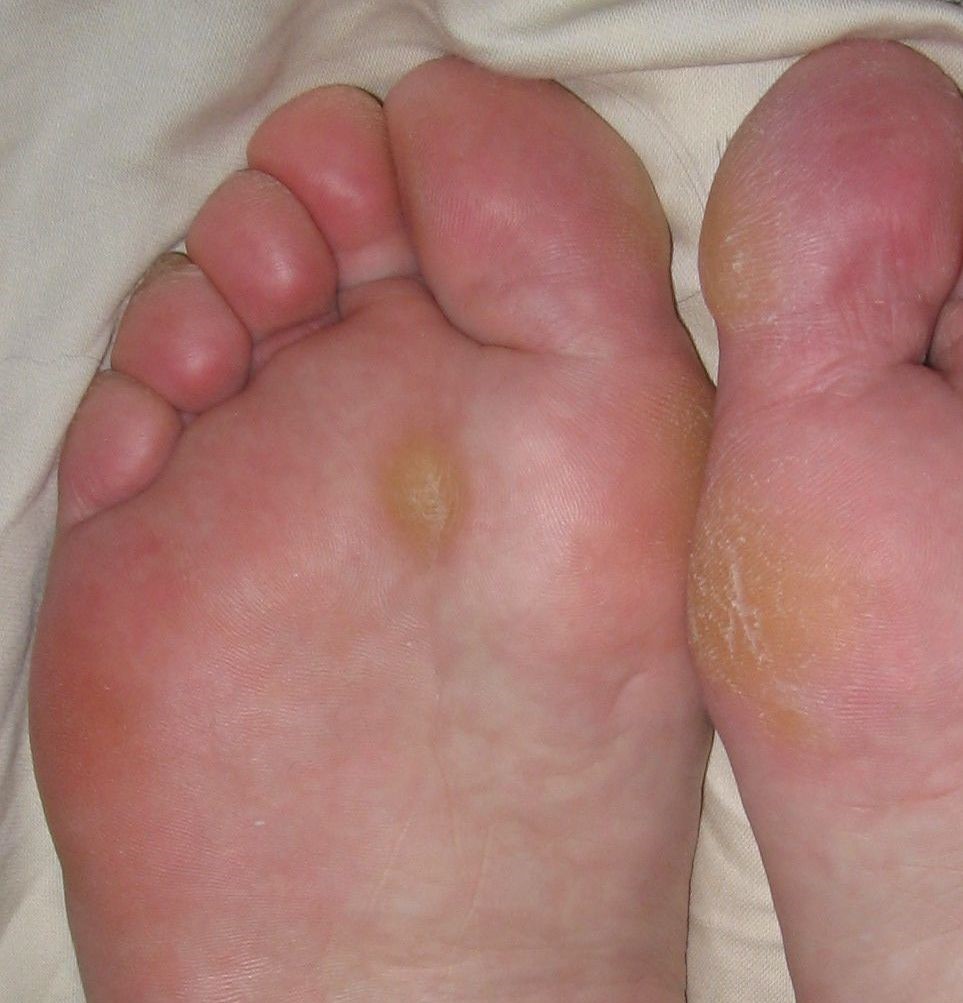
Figure One: Callus Example
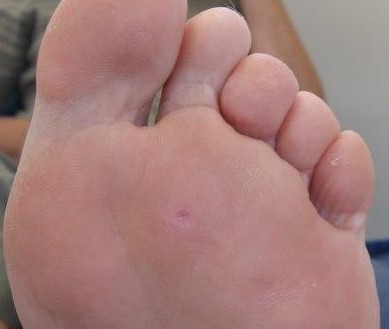
Figure Two: Corn Examples
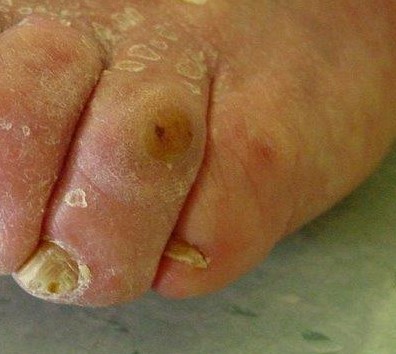
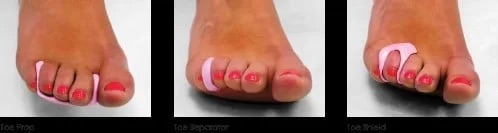
Figure Three: Toe Device Example
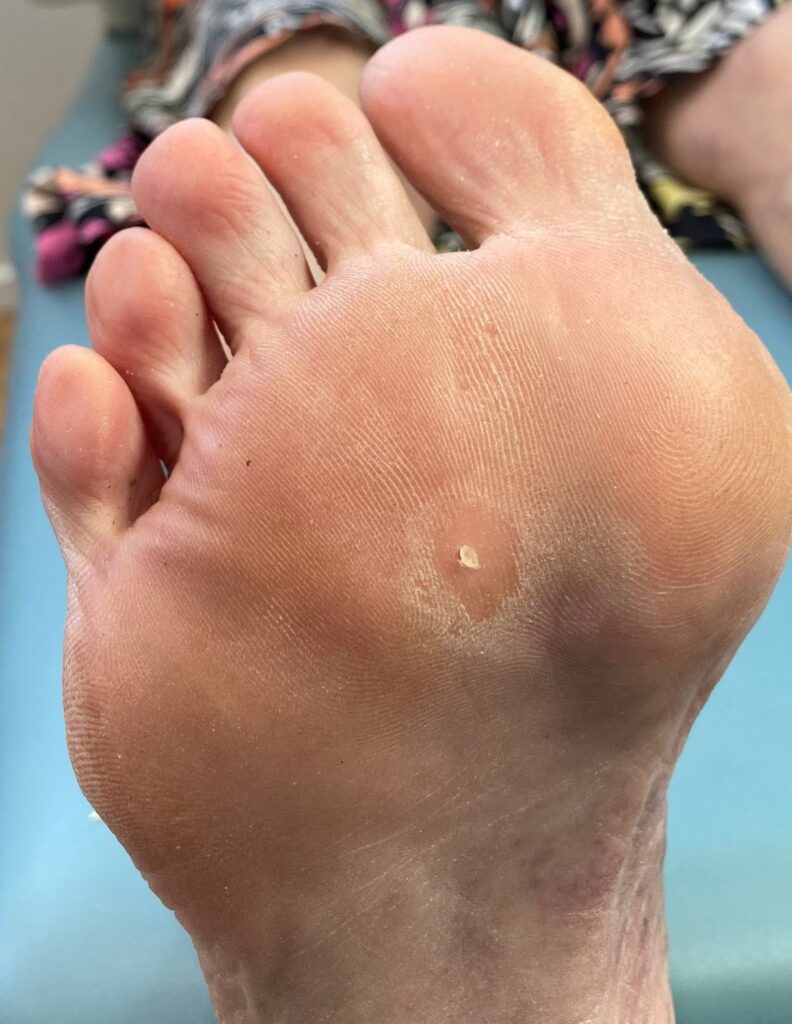
Figure Four: Small Seed Corn Removed by Enucleation
Calluses and corns rarely go away on their own, and treating them yourself can make things worse — especially if there’s an underlying cause like a bunion, bony toe, or ill-fitting footwear. Our podiatrists don’t just remove the hard skin; they identify why it’s forming and help stop it coming back
Get lasting relief from painful calluses and corns
Frequently Asked Questions
A callus is the term used to describe a broader area, a patch of thickened skin, usually across the ball of your foot, and it's usually more of a mild annoyance than real pain.
A corn's smaller but goes in deeper, usually on a toe, and it tends to actually hurt, especially once you put weight on it.
Sometimes a corn's hiding right under a callus too, which is part of why people mix the two up constantly.
You can file it down, most people do at some point. The problem is that doesn't touch whatever's actually causing it, so it comes back.
If there's something underlying, a bunion, a bony toe, shoes that don't fit the way they should, that's all still there once you've shaved off the surface.
Honestly, it's one of those things worth leaving to a podiatrist, and that goes double if you've got diabetes or poor circulation, where messing with it yourself can genuinely make things worse rather than better.
Not really. It's a painless procedure done in clinic, and relief's usually pretty immediate.
The part that matters more, though, is figuring out why it showed up in the first place, otherwise you're just back here again in a few months.
Because taking off the hard skin only deals with what's already there, not what's causing it.
Uneven pressure on your foot, from how your foot's shaped, how you walk, or your shoes, keeps rubbing the same spot, and your skin just keeps doing what skin does.
That's why treatment usually looks past the corn itself. Orthotics, a custom toe device, sometimes just better-fitting shoes, all aimed at actually changing that pressure.
Pretty often, yes.
A bunion changes how pressure moves through your foot, and that shift is exactly the kind of thing that leads to corns and calluses forming.
If you've got both going on, it's worth having them looked at together rather than treating the corn on its own and ignoring the bunion sitting behind it.
If it keeps coming back, pretty much always.
It gets more urgent if diabetes or circulation issues are in the picture, since something that looks like a minor skin thing can turn serious a lot faster on feet like that.
Redness, swelling, discharge, or rapidly increasing pain are worth getting checked promptly too.
A podiatrist can actually work out what's driving it, rather than you re-treating the same spot every few weeks and wondering why it won't resolve.
Usually pressure or friction. Your body's trying to protect itself.
If a particular spot on your foot keeps getting rubbed or squeezed, whether that's from a bunion, a curled toe, a prominent bone, or even just a shoe that doesn't quite fit right, the skin thickens up in response. Keep enough pressure on it for long enough and a corn can form.
No, despite what a lot of people think.
What people call the ‘root’ is really just the hard central core of the corn pushing deeper into the skin. It can definitely feel like it goes a long way down, especially when it's painful, but it doesn't have roots that need to be dug out.
That's actually one of the more common questions we get.
The tricky thing is they can look pretty similar if you're not used to seeing them. Corns happen because of pressure and friction. Warts are caused by a virus.
The good news is that they're usually pretty easy for a podiatrist to tell apart. Getting the diagnosis right matters too, because treatments that work for a corn won't necessarily work for a wart, and vice versa.