Tinea / Athlete’s Foot
Tinea is a common foot fungus infection on the sole of the foot and skin between the toes. It often develops in warm or humid environments, or if you wear poorly ventilated shoes or sweaty socks.
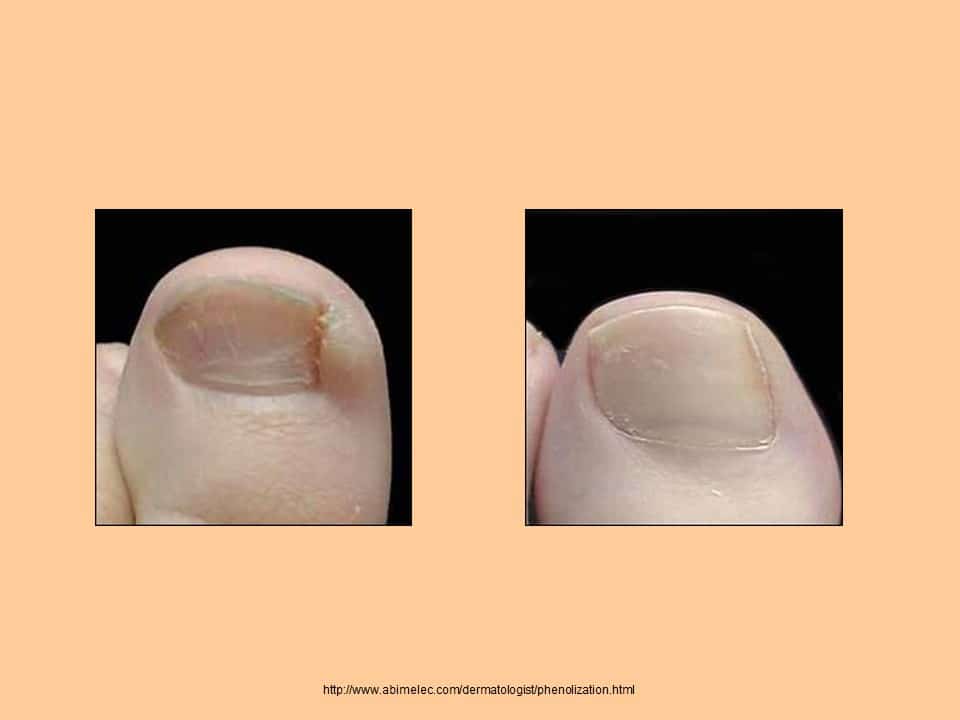
Tinea is highly contagious and is spread by contact from one area to another e.g. from the toe to toenails – (Figure 1 – examples of fungal toenails /onychomycosis), from one foot to the another and to your hands.
Tinea can also spread between people by walking barefoot on contaminated floors in shared showers, changing rooms or swimming pools.


Common Symptoms:
- A moist, itchy, red or flaky rash between the toes
- Cracked, scaly or peeling skin
- Stinging of the skin between the toes or on the soles of the feet if the skin becomes cracked or split
- Itchy blisters between the toes that leave scales when they burst; and
- A dry, scaly rash covering the soles and extending up the sides of the feet
How can I prevent it?
Keep your feet dry especially between the toes
- Wear cotton or natural fibre socks and change them daily or when your feet get sweaty
- Disinfect your shoes by using disinfectant wipes
- Air your feet at home, go barefoot
- Wear thongs / sandals in public swimming pools, showers and locker rooms.
- Alternate between 2 pairs of shoes, to give them time to dry out between use. Don’t wear the same shoes for consecutive days
Our Podiatrists can help!
The key to treatment is to get the correct diagnosis. One of our friendly podiatrists can help diagnose and give you a variety of options to help treat and prevent your tinea from reoccurring. A variety of antifungal creams, gels, ointments, sprays and powders are available from us, over the counter from pharmacies or by prescription.
The key is to not to stop your hygiene regime once the treatment is complete. Continue with shoe rotation and / or medication even after the symptoms have gone. The fungus can lie dormant and may reappear in the right environment. It is advisable to continue with treatment for several weeks and always follow the instructions.
Tinea can spread from the skin to the toenails, leading to a fungal nail infection (onychomycosis). Fungal nails are often more difficult to treat and may become discoloured, thickened, brittle, or crumbly over time.
If you’re experiencing both tinea and nail changes, learn more about our Fungal Nail Treatment options. For the best results, it’s important to treat both the skin infection and the affected nails at the same time. Our podiatrists can help you choose the most effective treatment and prevention plan to minimise the risk of reinfection.
And at the last the final call to action button
Don’t let tinea linger or spread. Our podiatrists can accurately diagnose your symptoms and get you on the right treatment plan — before it reaches your nails. Book an appointment today.
For the Fungal Nail Treatment page, you can use the reverse concept so the two pages support and link to each other: